Frutillar, Chile — Wednesday, 13 March 2024 — The Faculty of Forest Sciences and Nature Conservation at the University of Chile has formalised a collaboration agreement with Lemu, a Chilean nature-tech start-up, reinforcing a shared commitment to develop innovative tools for monitoring and tracking forest resources through remote sensing and geospatial analysis.
The agreement establishes the “Research Programme for the Development of Technological Innovation in the Monitoring and Tracking of Forest Resources through Remote Sensing and Geospatial Analysis”, designed to accelerate the development of practical, science-based solutions to assess forest ecosystems at multiple scales — from large regions and landscapes to individual trees.
A key component of the programme will be a joint research plan to develop and validate remote-sensing and geospatial methodologies. The pilot area for testing these solutions will be the University of Chile’s Frutillar Experimental Station, located in the Los Lagos Region. Fieldwork will also be an integral part of the research.
Collaboration priorities
The agreement includes, among other objectives:
- Joint development of remote sensing and geospatial analysis solutions for forest and ecosystem monitoring
- Collaboration on applications to national and international research and innovation funding
- Dissemination of results, through both formal and informal channels, to broaden impact and contribution to knowledge
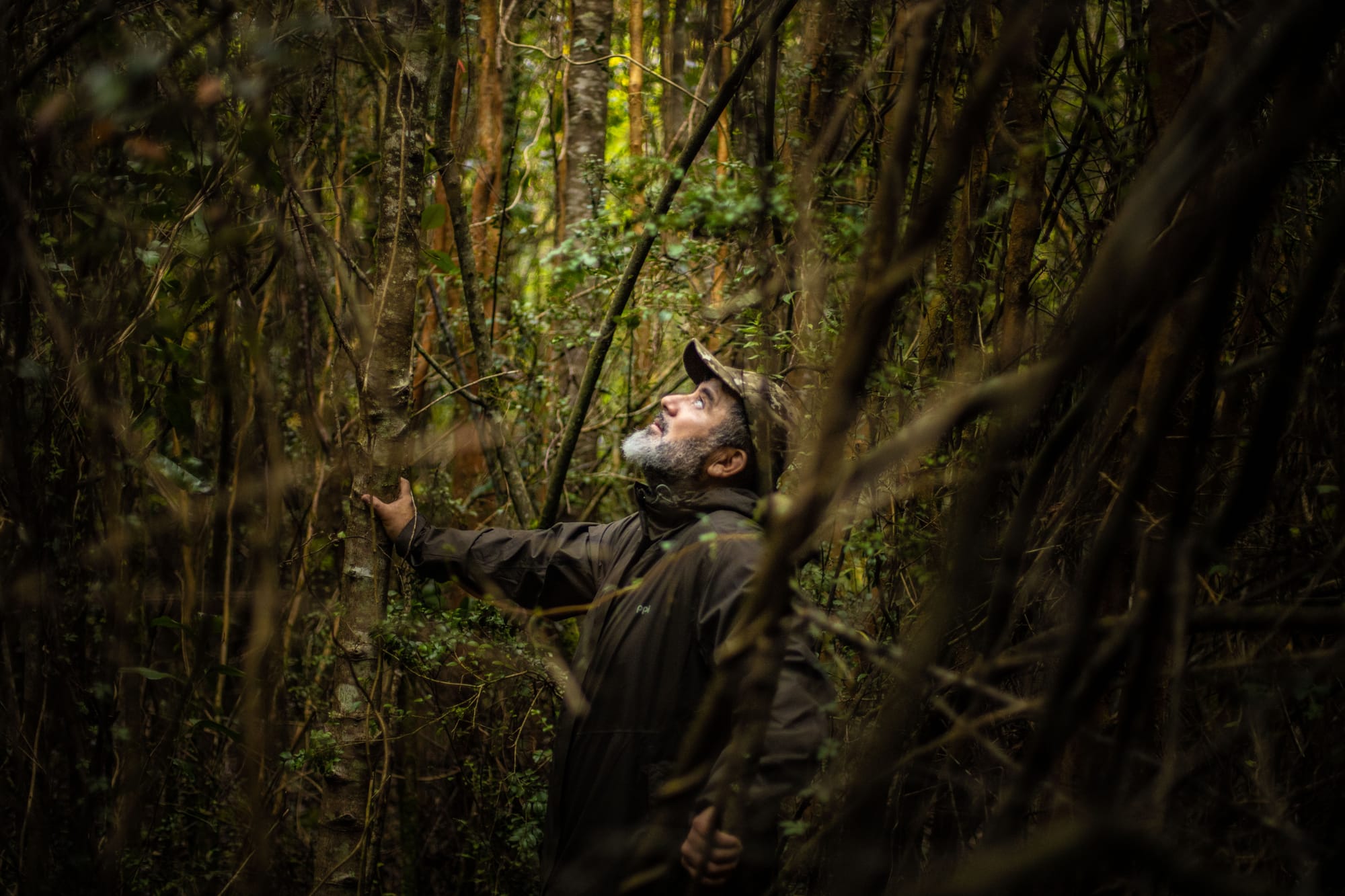
A unique living laboratory: Frutillar Experimental Station
The Faculty has been a pioneer in the research and development of methodologies for remote sensing of forest ecosystems. Since 1959, the Frutillar Experimental Station has served as a long-standing centre for research and trials on primary forests in this part of the world, hosting more than 150 native plant species, alongside over 90 experimental plantations of native and exotic species. Its 65-year history has been deeply documented, evolving from early methods to some of the most sophisticated instruments available today — making it a uniquely privileged territory for developing next-generation ecosystem monitoring tools.
Lemu’s technology for nature at scale
Lemu is globally recognised for its technology-driven approach to conservation and ecosystem restoration, connecting companies and individuals with conservation projects and generating quantifiable metrics about the natural world — enabling clearer evaluation of the impact of human actions.
Among its technology solutions, Lemu is preparing to launch its satellite, Lemu Nge (“Forest Eye” in Mapudungun). It is described as the first private Chilean satellite and the first in the world built exclusively for biodiversity observation of Earth’s ecosystems. Using a high-resolution hyperspectral camera, it will capture the planet in more colours than the human eye can perceive, leveraging Lemu’s award-winning technology to help identify species and characterise ecosystems, contributing to deeper understanding of the natural world.
Quotes
Leo Prieto, Founder & CEO of Lemu, said:
“It’s astonishing to live in an era where technology lets us observe and assess entire forests in depth in an efficient, non-invasive way — while also being essential for the effective conservation of these ecosystems. We’re excited to collaborate with the University of Chile and its decades of data across different forest types at the Frutillar Experimental Station, to accelerate the effectiveness of remote measurements that are crucial for evidence-based conservation. This kind of research is incredibly valuable for better understanding ecosystem dynamics, designing effective management plans, and demonstrating the impact that conservation projects, companies, and other actors have on the natural world.”
Dr Jaime Hernández, Full Professor at the University of Chile, added:
“This alliance with Lemu is extremely interesting and promising. They have a management agility that we don’t always find within the University. For example, they are able to mobilise the resources needed to launch a satellite capable of generating hyperspectral data that is highly useful for the assessment and monitoring not only of forest resources, but of entire ecosystems. We share affinities in our interests — nature conservation and sustainable development — and also in the AI tools we are using and developing. Everything suggests the programme will deliver important results.”
About the Faculty of Forest Sciences and Nature Conservation (University of Chile)
The Faculty is a national leader in forest and ecosystem science, with decades of expertise in conservation, sustainable management, and the development of methodologies for monitoring forest ecosystems, including through remote sensing and long-term field research.
About Lemu
Lemu is a Chilean nature-tech company building technology to make nature visible in decision-making — combining AI, remote sensing, and ecological science to generate measurable insights that support conservation, restoration, and a nature positive economy.